Kitchen Bath Picks is reader-supported. When you buy through links on this page, we may earn an affiliate commission at no extra cost to you. Learn more.
In this guide
- The benefits of natural light in the kitchen
- Understanding your kitchen's orientation
- Window placement strategies for maximizing natural light
- Types of windows for your kitchen
- Maximizing natural light with bay and bow windows
- Choose windows depending on your needs
- Maximizing light with reflective surfaces
- The role of color in maximizing natural light
- Integrating storage without blocking light
- Maximizing natural light in small or dark kitchens
- Balancing daylight with artificial lighting
- Window treatments for balancing light and privacy
- Maintaining your windows for the best light
- Products for maximizing natural light
- FAQs about maximizing natural light
- Final thoughts
Natural light changes how a kitchen feels more than almost any finish you can buy. It makes counters easier to work at, colors look truer, small rooms feel bigger and early mornings feel less gloomy. Daylight can also reduce how often you switch on overhead lights. If you’re remodeling, window placement is one of the most important decisions you’ll make; if you’re not, there’s still plenty you can do to bring more light into the room you have.
This guide covers maximizing natural light in your kitchen: orientation, window placement strategies, window types, reflective surfaces, color, storage and window treatments.
Quick answer: Maximizing natural light starts with your kitchen’s orientation. South-facing windows get the most consistent light; east-facing windows bring morning sun. Place windows over the sink and work zones, consider tall or clerestory windows, skylights or a glass door, and use light colors and reflective surfaces like glossy tile and mirrors. Keep upper cabinets off window walls and choose sheer or top-down shades to balance light and privacy.

The benefits of natural light in the kitchen
- Better visibility for chopping, cooking and cleaning.
- Truer colors for food and finishes.
- Energy savings from using electric lights less during the day.
- A bigger-feeling space, especially in small kitchens.
- Mood and comfort: exposure to daylight supports healthy sleep-wake rhythms.
Understanding your kitchen’s orientation
| Window direction | Light quality | Tips (Northern Hemisphere) |
|---|---|---|
| South | Bright, consistent light most of the day | Use overhangs or shades to control summer heat |
| East | Warm morning sun | Great for breakfast nooks |
| West | Strong, warm afternoon light | Use shades or low-E glass to reduce glare and heat |
| North | Soft, even, indirect light | Use larger windows and light colors |
In the Southern Hemisphere, swap north and south.
Window placement strategies for maximizing natural light
- Over the sink: the classic placement gives light where you spend a lot of time and a view while washing dishes.
- Above countertops: horizontal or awning windows between the counter and upper cabinets bring light right to the work surface.
- High on walls: clerestory or transom windows bring light deep into the room while preserving wall space and privacy.
- On multiple walls: windows on two sides create balanced cross-lighting and reduce harsh shadows.
- From above: skylights and solar tubes bring light into interior kitchens without exterior walls.
- Glass doors: a glass patio or French door adds light and a connection to outdoor space.
Changing or adding windows in exterior walls usually requires a permit and may require a header or structural changes, so work with a contractor or architect.

Types of windows for your kitchen
| Window type | Best for | Notes |
|---|---|---|
| Casement | Over sinks; easy crank opening | Great ventilation |
| Awning | Above counters and backsplashes | Can stay open in light rain |
| Double-hung | Traditional styles | Easy to clean tilt-in sashes |
| Sliding | Wide openings | Simple operation |
| Picture | Maximum light and views | Doesn’t open |
| Bay or bow | Adding space and light | Creates a nook or seat |
| Garden window | Herbs and plants over the sink | Projects outward for shelves |
Maximizing natural light with bay and bow windows
Bay and bow windows project outward, collecting light from several angles and adding a little floor space for a breakfast nook or window seat. They’re a bigger investment but can transform a dark kitchen.
Choose windows depending on your needs
Consider ventilation (casement and awning windows open fully), ease of cleaning, privacy from neighbors and energy efficiency. ENERGY STAR-certified windows with low-E glass let in light while reducing heat gain and loss.
Maximizing light with reflective surfaces
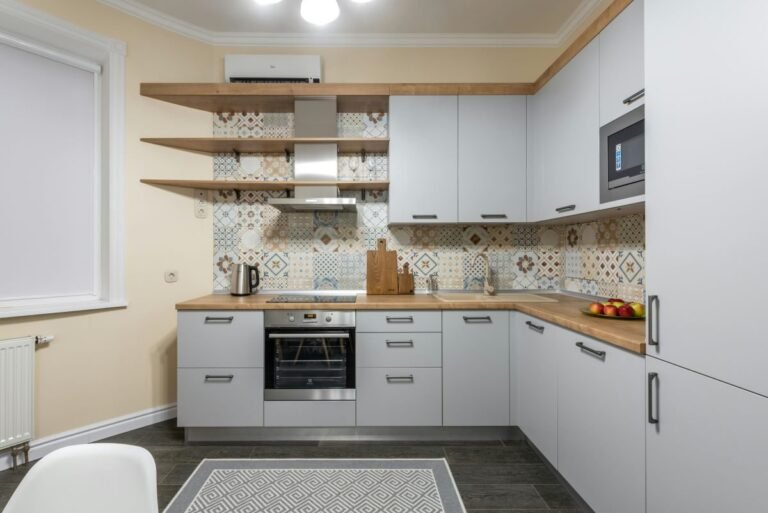
Glossy backsplash tile, polished or light countertops, stainless appliances and mirrored or glass cabinet fronts bounce daylight around the room. Explore our trendy backsplash ideas for reflective options.
The role of color in maximizing natural light
Light walls, cabinets and ceilings reflect more light. Whites, creams, pale grays and soft pastels work well. If you love dark cabinets, keep them on the lowers and use light uppers or open shelves. See our kitchen design choices and cabinet guide.

Integrating storage without blocking light
Avoid placing tall cabinets or upper cabinets on window walls. Use open shelving or glass-front cabinets instead, and keep windowsills clear. Find more ideas in our guide to creating more space in your kitchen.
Maximizing natural light in small or dark kitchens
Galley kitchens, basement-level kitchens and rooms surrounded by other spaces often have little or no direct daylight. You can still make them feel brighter. Widen an interior doorway or replace a solid door with a glass-paneled one so light from a neighboring room can flow in. A pass-through opening to a living or dining area also shares light. Choose a high-gloss or satin paint finish on walls and ceilings, which reflects more light than flat paint, and use lighter flooring.
Solar tubes are a practical option where a full skylight isn’t possible. They capture daylight on the roof and channel it down a reflective tube to a ceiling diffuser, and they usually need far less framing work than a skylight.
Balancing daylight with artificial lighting
Even the brightest kitchen needs good electric lighting for evenings and cloudy days. Layer ambient ceiling lights, task lighting under cabinets and accent lighting such as pendants. Choose LED bulbs with a color temperature around 3000K to 4000K to complement daylight, and add dimmers or daylight-sensing controls so electric lights only work as hard as needed.
Window treatments for balancing light and privacy
- Top-down/bottom-up shades: let light in at the top while keeping privacy below.
- Sheer curtains or light-filtering shades: soften glare without blocking daylight.
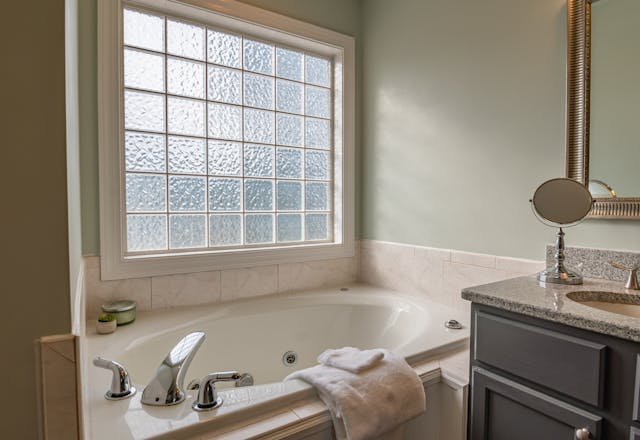
- Frosted window film: adds privacy while letting light through.
- Café curtains: cover the lower half only.
Keep fabric treatments away from the cooktop for fire safety.
Maintaining your windows for the best light
Kitchen windows collect grease and steam, which dull the light. Clean glass every month or two, wipe frames and tracks, and run the kitchen exhaust fan while cooking to reduce buildup.
Products for maximizing natural light
1. BlindsAvenue Cordless Top-Down/Bottom-Up Cellular Shade, White
A cordless cellular shade that lowers from the top to let in light while keeping privacy below.
- TypeTop-down/bottom-up cellular shade
- ColorWhite
- Size34.5 x 48 in (other sizes available)
- OperationCordless
- BrandBlindsAvenue
Pros
- Light and privacy at once
- Cordless and child-safe
- Insulating cells
Cons
- Measure carefully for fit
- Keep away from cooktop
Who it’s best for
Kitchen windows that need privacy without losing daylight.
Good to know before you buy
Measure the window carefully, and keep fabric shades away from the cooktop.
2. Dwersty Frosted Glass Window Privacy Film
A decorative frosted film that adds privacy while still letting daylight in.
- Size17.5 x 78.74 in
- FinishFrosted
- InstallStatic cling, no adhesive
- BrandDwersty
Pros
- Keeps light, adds privacy
- Removable
- Easy to cut to size
Cons
- May bubble if not applied carefully
- Not for all glass types; check guidance
Who it’s best for
Windows facing neighbors or the street.
Good to know before you buy
Apply it carefully to avoid bubbles, and check the film’s guidance for your glass type.
3. Unger Professional Connect and Clean Window Cleaning Kit
An all-in-one window cleaning kit with squeegee, scrubber and extension options.
- TypeWindow cleaning kit
- IncludesSqueegee and scrubber
- UseIndoor and outdoor glass
- BrandUNGER
Pros
- Streak-free results
- Reaches high windows
- Professional quality
Cons
- More than casual cleaners need
- Storage space required
Who it’s best for
Keeping kitchen windows streak-free for the best light.
Good to know before you buy
It’s more kit than occasional cleaners need.
FAQs about maximizing natural light
What is the best window direction for a kitchen?
South-facing windows get the most consistent light in the Northern Hemisphere; east-facing windows are great for morning sun.
How can I add light to a kitchen without windows?
Consider a skylight or solar tube, a glass door, light colors, reflective surfaces and good artificial lighting.
Should I put cabinets above a kitchen window?
Avoid upper cabinets on window walls; use open shelving or glass fronts instead.
What window treatment lets in the most light?
Top-down/bottom-up shades, sheers and frosted film let in light while offering privacy.
Do I need a permit to add a kitchen window?
Usually, since it involves exterior walls and may need structural changes.
What colors make a kitchen brighter?
White, cream, pale gray and soft pastels reflect more light.
Final thoughts
Maximizing natural light in your kitchen comes down to orientation, smart window placement, the right window types and surfaces that reflect light. Keep window walls free of tall storage, choose light colors, use treatments that balance light and privacy and keep the glass clean. Whether you’re remodeling or refreshing, these strategies will make your kitchen brighter and more welcoming.