Kitchen Bath Picks is reader-supported. When you buy through links on this page, we may earn an affiliate commission at no extra cost to you. Learn more.
In this guide
- What is ceramic cookware?
- Is ceramic cookware safe? What we know
- Ceramic cookware pros and cons
- Ceramic vs. other cookware
- How to use ceramic cookware safely
- Is ceramic cookware safe at high heat?
- How to clean stained ceramic cookware
- How to choose safe ceramic cookware
- Safe ceramic cookware picks
- Ceramic cookware FAQs
- Final thoughts
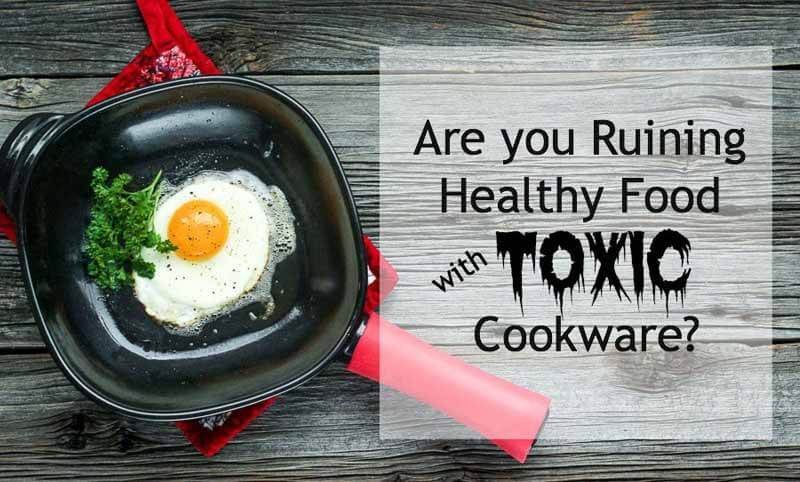
Ceramic cookware has become the go-to choice for people moving away from traditional nonstick pans made with PTFE (often known by the brand name Teflon) and the PFAS “forever chemicals” historically used to make it. But “ceramic” can mean very different things, from a thin nonstick coating on an aluminum pan to solid ceramic or enamel-coated cast iron. So is ceramic cookware safe? For most products from reputable brands, the answer is yes, as long as you understand what you’re buying and use it properly.
This 2026 guide combines our earlier ceramic cookware articles. It explains the types of ceramic cookware, what the research and regulations say about safety, the real pros and cons, and how to use and care for ceramic pans so they stay safe and last longer.
Quick answer: Ceramic-coated nonstick cookware from reputable brands is generally considered safe for everyday cooking. It’s made without PTFE and PFAS, and it doesn’t release the fumes PTFE can give off when badly overheated. The main caveats are that ceramic coatings wear out faster than other cookware, and that glazed ceramic dishes from unregulated sources can contain lead. Use low to medium heat, avoid metal utensils and abrasive scrubbers, and replace pans when the coating is badly worn.

What is ceramic cookware?
| Type | What it is | Examples |
|---|---|---|
| Ceramic-coated nonstick | Aluminum or stainless pan with a silica-based (“sol-gel”) nonstick coating | GreenPan, Caraway, GreenLife |
| 100% ceramic | Pans made entirely from fired clay and glaze | Pure ceramic skillets and bakeware |
| Enameled cast iron | Cast iron coated in porcelain enamel (a glass-like ceramic) | Dutch ovens, braisers |
| Ceramic bakeware and stoneware | Glazed clay baking dishes and casseroles | Pie dishes, ramekins |
Most people asking “is ceramic cookware safe?” are asking about ceramic-coated nonstick pans. Those pans aren’t solid ceramic. The coating is a thin, glass-like layer derived mainly from silica (sand), applied to a metal base. It provides a slick surface without PTFE.
Is ceramic cookware safe? What we know
No PTFE or PFAS in ceramic coatings
Traditional nonstick coatings use PTFE. Older production used PFOA, a PFAS chemical that has since been phased out in the U.S. because of health and environmental concerns. PTFE coatings are considered stable at normal cooking temperatures, but they can release fumes if a pan is overheated, usually above about 500°F, such as when an empty pan is left on high heat. Ceramic coatings don’t contain PTFE or PFAS, which is the main reason many people choose them.
Lead and cadmium in glazes
The biggest real-world safety concern with ceramics is not modern nonstick pans but glazed pottery and dishes. Some glazes, especially on handmade, antique, decorative or imported ceramics from unregulated sources, can contain lead or cadmium that can leach into food, particularly acidic foods. Reputable cookware brands test their products and many state that they’re free of lead and cadmium. Avoid cooking in or storing food in decorative pottery not intended for food use.
Coatings that wear
Ceramic coatings are durable when new but gradually lose their nonstick properties, especially with high heat, metal utensils, harsh scrubbing and the dishwasher. Research on what particles a worn coating might release is limited; the practical advice is to treat ceramic pans gently and replace them when the coating is badly chipped or worn through.

Ceramic cookware pros and cons
Pros
- Made without PTFE and PFAS
- Slick, easy-release surface when new
- Needs little oil for cooking
- Easy to clean
- Many attractive colors and finishes
- Often oven safe to moderate temperatures
Cons
- Nonstick performance fades faster than PTFE, often within a few years
- Sensitive to high heat and thermal shock
- Can chip or scratch with metal utensils
- Not all pieces work on induction
- Cooking sprays leave residue that reduces nonstick ability
Ceramic vs. other cookware
| Cookware | Safety notes | Best for |
|---|---|---|
| Ceramic nonstick | PTFE- and PFAS-free; coating wears | Eggs, fish, pancakes, low-fat cooking |
| PTFE nonstick | Safe at normal heat; avoid overheating | Very delicate foods |
| Stainless steel | Very durable and inert; no coating | Searing, sauces, everything |
| Cast iron | Durable; adds small amounts of iron | Searing, baking, high heat |
| Enameled cast iron | Durable, non-reactive glass enamel | Braising, soups, bread |
| Aluminum (uncoated) | Can react with acidic foods | Usually used as a core, not a surface |
For an in-depth look at the most durable no-coating option, see our best stainless steel cookware guide.
How to use ceramic cookware safely
- Use low to medium heat. Ceramic coatings heat efficiently; high heat degrades them quickly.
- Add a little oil or butter. Skip aerosol cooking sprays, which leave a sticky residue.
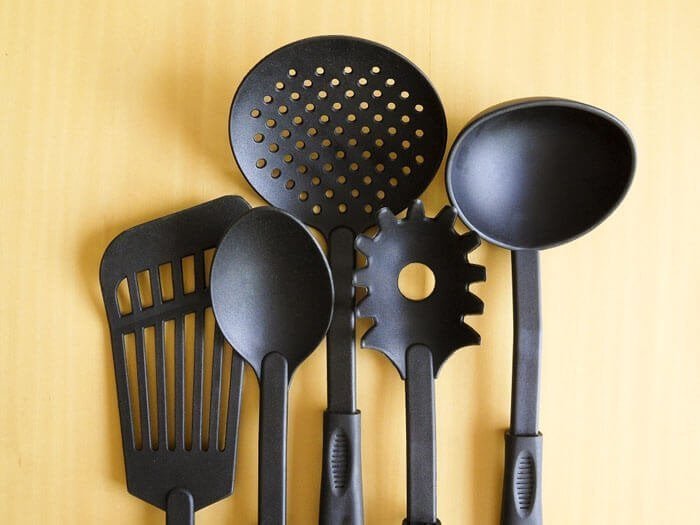
- Use wooden, silicone or nylon utensils. Metal utensils can scratch and chip the coating.
- Let pans cool before washing. Sudden temperature changes can damage the coating.
- Hand wash with a soft sponge. Even pans labeled dishwasher safe last longer when hand washed.
- Store carefully. Use pan protectors or hang pans to avoid scratches.
- Replace worn pans. If the coating is deeply scratched, chipped or flaking, it’s time to replace the pan.
Is ceramic cookware safe at high heat?

Ceramic coatings tolerate higher temperatures than PTFE without producing PTFE fumes, so ceramic cookware is safe for searing in that sense. The concern with high heat is durability, not toxic fumes: repeated high-heat cooking breaks down the coating and makes food stick. Most manufacturers recommend low to medium heat on the stovetop and list a maximum oven temperature, often somewhere around 350°F to 600°F depending on the brand and handles. For hard searing, a stainless steel or cast iron pan is the better tool.
How to clean stained ceramic cookware
Ceramic coatings, especially light-colored ones, can stain or develop a brownish film. Let the pan cool, then make a paste of baking soda and water and rub it gently with a soft sponge. For stubborn residue, simmer a little water with a splash of white vinegar for a few minutes, cool, then wash. Avoid steel wool, scouring powders and harsh cleaners, which scratch the surface. A ceramic cookware safe cleaning routine like this restores much of the original slickness.
How to choose safe ceramic cookware
- Buy from reputable brands that state their products are free of PTFE, PFAS, lead and cadmium.
- Check the oven-safe temperature and stovetop compatibility, especially induction.
- Look for a sturdy, thick base for even heating.
- Avoid using decorative or handmade pottery for cooking unless it’s labeled food safe.
See our full roundup of the best ceramic cookware for tested picks.
Safe ceramic cookware picks
1. GreenPan Valencia Pro 11-Piece Ceramic Nonstick Set
A durable ceramic nonstick set with GreenPan’s diamond-reinforced Thermolon coating.
- Pieces11
- CoatingThermolon ceramic, PFAS-free
- Includes3 frypans, 2 saucepans, sauté pan, stockpot
- RecognitionAmerica’s Test Kitchen, Good Housekeeping
- BrandGreenPan
- SeriesValencia Pro
Pros
- Very durable for ceramic
- Excellent release
- Strong reputation
Cons
- Premium price
- Coating still needs gentle care
2. Caraway 12-Piece Ceramic Nonstick Cookware Set
A stylish ceramic set made without PTFE, PFOA, PFAS, lead or cadmium, with storage included.
- Pieces12
- CoatingCeramic nonstick
- Free ofPTFE, PFOA, PFAS, lead, cadmium
- StovetopsInduction, gas, electric
- Oven safeYes
- BrandCaraway
Pros
- Beautiful colors
- Induction compatible
- Includes storage organizers
Cons
- Expensive
- Heavier pans
3. GreenLife 16-Piece Ceramic Nonstick Set
An affordable PFAS-free ceramic nonstick set with stay-cool handles.
- Pieces16
- CoatingPFAS-free ceramic
- HandlesSoft-grip Bakelite
- BaseReinforced, wobble-free
- BrandGreenLife
- ValueBudget friendly
Pros
- Great value
- Lots of pieces
- Easy to clean
Cons
- Coating wears faster
- Not for high heat
4. Lodge Essential Enamel Cast Iron Dutch Oven, 6 Quart
A porcelain enamel-coated cast iron Dutch oven for braising, soups and bread.
- Capacity6 qt
- MaterialCast iron with porcelain enamel
- CoatingNo PTFE
- UseBraising, soups, baking
- CareHand wash recommended
- BrandLodge
Pros
- Very durable
- Non-reactive enamel
- Excellent heat retention
Cons
- Heavy
- Enamel can chip if dropped
Ceramic cookware FAQs
Is ceramic cookware safe for health?
Ceramic-coated cookware from reputable brands is generally considered safe for everyday cooking. It’s made without PTFE and PFAS. Use it gently and replace pans when the coating is badly worn.
Is ceramic cookware safer than Teflon?
Ceramic coatings don’t contain PTFE or PFAS and don’t produce PTFE fumes when overheated. PTFE pans are considered safe at normal cooking temperatures, but ceramic is a good option if you want to avoid PTFE.
Does ceramic cookware contain lead?
Reputable ceramic nonstick brands state their products are lead- and cadmium-free. The lead risk is mainly with glazed pottery from unregulated sources not intended for cooking.
How long does ceramic cookware last?
Often a few years of regular use. High heat, metal utensils, sprays and the dishwasher shorten its life.
Can ceramic cookware go in the oven?
Many ceramic pans are oven safe to a stated temperature. Check the manufacturer’s rating for both the pan and its handles and lids.
When should I replace ceramic cookware?
Replace it when the coating is deeply scratched, chipped, flaking or no longer releases food.
Final thoughts
So, is ceramic cookware safe? For ceramic nonstick pans from reputable brands, yes: they’re free of PTFE and PFAS and are a sensible choice for everyday cooking. Treat them gently with low to medium heat and soft utensils, avoid using unregulated decorative pottery for food, and replace pans once the coating wears out. Pair a ceramic skillet with stainless steel or enameled cast iron for a safe, versatile kitchen.