Kitchen Bath Picks is reader-supported. When you buy through links on this page, we may earn an affiliate commission at no extra cost to you. Learn more.
In this guide
- Eco-friendly bathroom fixtures: a smart choice for your home
- 1. Showerheads: eco-friendly bathroom fixtures that make a difference
- 2. Faucet aerators: small fixtures with big impact
- 3. The low-flow toilet revolution
- 4. Eco-friendly bathtubs: soak in sustainability
- 5. Save hot water and energy
- 6. Budget-friendly eco-friendly bathroom fixtures and upgrades that pay off
- Sustainable habits beyond eco-friendly bathroom fixtures
- How to choose eco-friendly bathroom fixtures
- Eco-friendly bathroom fixtures worth buying
- FAQs about eco-friendly bathroom fixtures
- Final thoughts
The bathroom is where most of a home’s indoor water goes. Toilets, showers and faucets together account for the majority of indoor use in a typical household, according to the U.S. EPA. That makes it the best room to start saving. The good news is that today’s eco-friendly bathroom fixtures use far less water than older models without making showers weaker or flushes less effective, and many cost very little to install.
This guide explains which eco-friendly bathroom fixtures make the biggest difference, what to look for and simple habits that cut your water and energy bills even further.
Quick answer: The most effective eco-friendly bathroom fixtures are WaterSense-labeled toilets (1.28 gallons per flush or less), WaterSense showerheads (2.0 gallons per minute or less) and WaterSense faucets or aerators (1.5 gallons per minute or less). A low-cost showerhead or faucet aerator can be installed in minutes, while dual-flush converters and new toilets save the most water. Saving hot water also cuts energy costs.
Eco-friendly bathroom fixtures: a smart choice for your home
The EPA’s WaterSense program labels products that use at least 20 percent less water than standard models and still meet performance criteria. Look for the WaterSense label when shopping; it’s the easiest way to know a fixture is both efficient and tested to work well.
| Fixture | Standard (federal max) | WaterSense | Install difficulty |
|---|---|---|---|
| Showerhead | 2.5 gpm | 2.0 gpm or less | Easy |
| Bathroom faucet / aerator | 2.2 gpm | 1.5 gpm or less | Very easy |
| Toilet | 1.6 gpf | 1.28 gpf or less | Moderate |
| Dual-flush converter | Varies | Reduces water on partial flushes | Easy to moderate |
1. Showerheads: eco-friendly bathroom fixtures that make a difference
Showering is one of the largest uses of indoor water, and most of it is heated, which makes it doubly expensive. Swapping an older showerhead for a WaterSense model saves water and the energy used to heat it. Modern low-flow showerheads use air-injection, narrower nozzles or pulsing patterns to keep the spray feeling strong. Many also have a pause or trickle setting so you can lather without running water.
Replacing a showerhead takes about ten minutes with an adjustable wrench and plumber’s tape. If you have a single-handle pressure-balancing valve, check that the valve works well with a lower flow rate; most modern valves do.
2. Faucet aerators: small fixtures with big impact
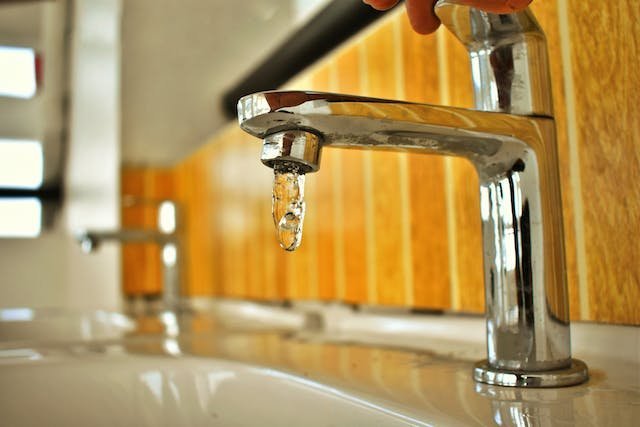
An aerator is the small screen at the tip of the faucet. Swapping it for a 1.0 to 1.5 gpm model is the cheapest water-saving upgrade there is and takes seconds. Aerators also reduce splashing. Learn how to remove and clean one in our faucet aerator guide.
3. The low-flow toilet revolution
Toilets are often the single biggest water user in the home. Older toilets can use 3.5 gallons or more per flush, while WaterSense toilets use 1.28 gallons or less. Dual-flush toilets offer a reduced flush for liquid waste and a full flush for solids. If you’re not ready to replace the toilet, a dual-flush conversion kit, a new flapper and fill valve, or fixing a silent leak can save a lot of water.
Quick leak test: Put a few drops of food coloring in the toilet tank and wait 15 minutes without flushing. If color appears in the bowl, the flapper is leaking and should be replaced.
4. Eco-friendly bathtubs: soak in sustainability
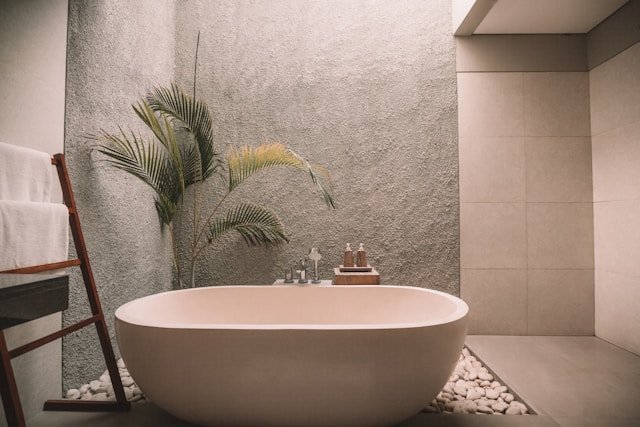
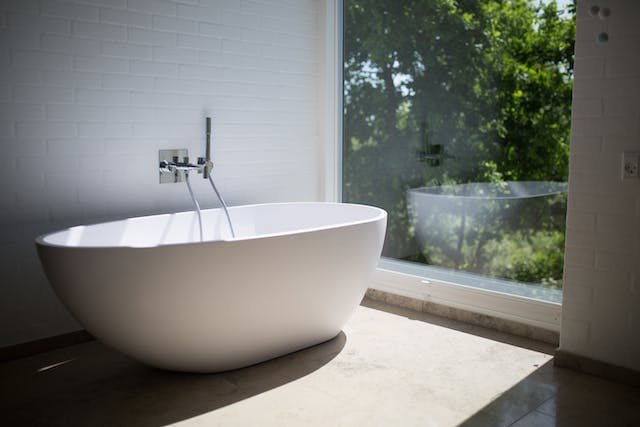
A full bath uses much more water than a short shower. If you love baths, choose a tub with a comfortable but not oversized volume, and consider a durable material such as enameled cast iron or quality acrylic that will last for decades. Reclaimed or refinished tubs keep perfectly good fixtures out of landfills. For the spout, see our bathtub spout guide.
5. Save hot water and energy
Heating water is one of the biggest energy costs in a home. Water-efficient showerheads and faucets reduce the hot water you use, and an efficient water heater reduces the energy needed to heat it. Learn how a tankless water heater works. Insulating exposed hot water pipes also helps water arrive hotter, faster.
6. Budget-friendly eco-friendly bathroom fixtures and upgrades that pay off
- Lowest cost: faucet aerators and a WaterSense showerhead.
- Low cost: toilet flapper replacement, dual-flush converter and fixing leaks.
- Moderate cost: a new WaterSense toilet and faucet.
- Remodel time: efficient water heater, LED lighting, a quiet, efficient exhaust fan and durable, low-VOC finishes.
Check with your local water utility; many offer rebates on WaterSense toilets and showerheads. For more ideas, see our guide to balance in bathroom design.
Sustainable habits beyond eco-friendly bathroom fixtures
- Take shorter showers; a timer or a favorite song helps.
- Turn off the tap while brushing teeth and shaving.
- Fix drips and running toilets promptly.
- Collect cold water while waiting for the shower to warm up and use it for plants.
- Run the exhaust fan only as long as needed, or use a humidity-sensing fan.
Find more everyday ideas in our guide to saving water at home and our bathroom improvement suggestions.
How to choose eco-friendly bathroom fixtures
- Look for the WaterSense label on showerheads, faucets and toilets.
- Check local codes: some states, including California, require lower flow rates than the federal standard.
- Read flush performance ratings for toilets; MaP (Maximum Performance) scores show how well a toilet clears waste.
- Choose durable materials like solid brass and ceramic valves that last longer and leak less.
- Match the finish to your other fixtures so upgrades look intentional.
Eco-friendly bathroom fixtures worth buying
1. Niagara Earth Spa 3-Spray 1.25 GPM Showerhead
A three-spray, wall-mount showerhead that uses just 1.25 gallons per minute.
- Flow rate1.25 gpm
- Sprays3 settings
- MountWall
- FinishChrome
- BrandNiagara Conservation
Pros
- Very low flow
- Adjustable spray
- Easy to install
Cons
- Feels gentler than high-flow heads
- Check compatibility with older valves
Who it’s best for
Households that want maximum water savings in the shower.
Good to know before you buy
The spray feels gentler than high-flow heads; check that your valve works well with low flow.
2. High Sierra Classic 1.5 GPM Solid Metal Showerhead
A solid metal, lead-free showerhead designed to feel strong at a low flow rate.
- Flow rate1.5 gpm
- MaterialSolid lead-free metal
- SpraySingle, strong spray
- BrandHigh Sierra
Pros
- Strong spray at low flow
- Durable metal construction
- Clog-resistant design
Cons
- Single spray setting
- Higher cost than basic models
Who it’s best for
Anyone who wants a strong-feeling shower at a low flow rate.
Good to know before you buy
It has a single spray pattern and costs more than basic models.
3. Neoperl Perlator HC Economy Flow Aerator Insert, 1.2 GPM
A replacement aerator insert that reduces faucet flow to 1.2 gallons per minute.
- Flow rate1.2 gpm
- TypeAerator insert
- SizeRegular
- BrandNeoperl
Pros
- Very inexpensive
- Installs in seconds
- Reduces splashing
Cons
- Check size fits your faucet housing
- Insert only, housing not included
Who it’s best for
The fastest, cheapest water-saving upgrade for bathroom faucets.
Good to know before you buy
Confirm the insert size matches your faucet’s aerator housing.
4. Danco HydroRight Universal Dual-Flush Toilet Repair Kit
A universal kit that converts a standard toilet to dual flush and helps stop leaks.
- TypeDual-flush conversion kit
- FitUniversal (check compatibility)
- BenefitReduced flush for liquids
- BrandDanco
Pros
- Saves water without a new toilet
- Helps fix running toilets
- DIY-friendly
Cons
- May not fit all toilets
- Adjustment may be needed for a good flush
Who it’s best for
Saving water on an existing toilet without replacing it.
Good to know before you buy
It may not fit every toilet, and the flush may need adjustment.
FAQs about eco-friendly bathroom fixtures
Do low-flow showerheads have weak pressure?
Modern WaterSense showerheads are tested for performance and use designs that keep the spray feeling strong.
How much water does a WaterSense toilet save?
WaterSense toilets use 1.28 gallons per flush or less, compared with 3.5 or more for many older toilets, which adds up to thousands of gallons per year for a family.
What is the cheapest way to save water in the bathroom?
Install a low-flow faucet aerator and a WaterSense showerhead, and fix any leaks.
Are dual-flush toilets better?
They save water by offering a smaller flush for liquid waste. Both single- and dual-flush WaterSense toilets are efficient.
Do water-saving fixtures lower energy bills?
Yes. Using less hot water in showers and faucets reduces water heating costs.
Are there rebates for eco-friendly fixtures?
Many water utilities offer rebates on WaterSense toilets and showerheads. Check with your local provider.
Final thoughts
Eco-friendly bathroom fixtures are one of the easiest ways to cut water and energy bills. Start with a WaterSense showerhead and faucet aerators, fix leaks and consider a dual-flush converter or a WaterSense toilet. Combine efficient fixtures with simple habits, and you’ll save water, money and energy every day without sacrificing comfort.