

Kitchen Bath Picks is reader-supported. When you buy through links on this page, we may earn an affiliate commission at no extra cost to you. Learn more.
In this guide
Coffee is a daily ritual almost everywhere, yet every country makes it its own. In Rome it’s a quick espresso standing at the bar; in Stockholm it’s an unhurried fika with a cinnamon bun; in Hanoi it’s thick, sweet coffee dripping slowly through a metal filter. Exploring coffee culture around the world is a fun way to discover new flavors, and many of these traditions are easy to recreate in your own kitchen.
This 2026 guide covers nine unique coffee cultures, what makes each one special and how to bring a taste of them home, including our side-by-side look at Cuban and Vietnamese coffee.
Quick look: Italy gave the world espresso bar culture, Ethiopia (coffee’s birthplace) honors it with a ceremony, Turkey brews it unfiltered in a cezve, Sweden pauses for fika, Australia perfected the flat white, Vietnam drips strong coffee over condensed milk, Cuba sweetens espresso with whipped sugar foam, Costa Rica brews through a cloth “sock” and the Netherlands loves a milky koffie verkeerd.
9 unique coffee cultures of the world
1. Italy: the espresso bar
Italian coffee culture is fast, social and full of unwritten rules. Locals stop at the bar for a quick espresso (simply called un caffè), often standing at the counter, and drink it in a few sips. Milky drinks like cappuccino are traditionally enjoyed only in the morning, never after a meal. At home, many Italians brew with a stovetop moka pot. To try it, see our guide to brewing the perfect cup of coffee, which includes moka pot steps.
2. Ethiopia: the coffee ceremony
Ethiopia is widely considered the birthplace of coffee, and its coffee ceremony is a central part of social life. Green beans are roasted in a pan over charcoal, ground by hand and brewed in a clay pot called a jebena. The coffee is served in small cups over three rounds, often with popcorn and incense, and the ceremony can last an hour or more. It’s about hospitality and conversation as much as the drink.
3. Turkey: unfiltered coffee in a cezve
Turkish coffee is made by simmering very finely ground coffee with water (and sugar, if you like) in a small long-handled pot called a cezve. It’s poured unfiltered, so the grounds settle at the bottom of the cup, and it’s traditionally served with water and a sweet such as Turkish delight. Turkish coffee culture is recognized by UNESCO as part of the world’s intangible cultural heritage.
4. Sweden: fika
In Sweden, fika is a cherished break for coffee and something sweet, often a cinnamon bun, shared with friends or coworkers. Many workplaces build fika into the day. Swedes are among the world’s biggest coffee drinkers, usually favoring filtered coffee over espresso drinks.
5. Australia: the flat white and café culture

Australia has a famously high-quality independent café scene built on espresso. Australia and New Zealand both claim the flat white, a smooth espresso with velvety microfoam that’s stronger tasting than a latte. Australians also take their brunch and baristas seriously.
6. Vietnam: phin coffee and condensed milk
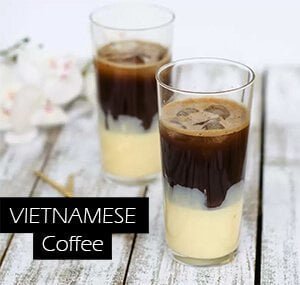
Vietnam is one of the world’s largest coffee producers, growing mostly robusta beans, which are strong and bold. Coffee is brewed in a small metal drip filter called a phin placed on top of a glass, dripping slowly over a layer of sweetened condensed milk. Stir and drink it hot (cà phê sữa nóng) or over ice (cà phê sữa đá). Hanoi is also known for egg coffee, topped with a rich whipped egg-yolk cream.
7. Cuba: cafecito with espuma
Cuban coffee, or cafecito, is a strong, dark espresso, often made in a moka pot at home. What makes it special is the espuma: the first few drops of coffee are whipped vigorously with sugar into a pale, thick foam, then the rest of the coffee is stirred in so a sweet foam layer rises to the top. It’s served in tiny cups and shared as a social ritual; a colada is a larger serving meant to be split among friends.
8. Costa Rica: the chorreador
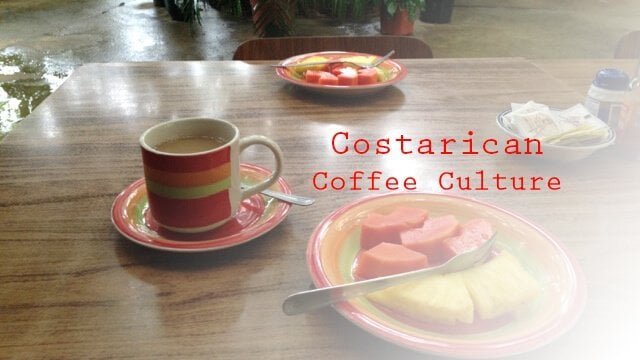
Costa Rica grows high-quality arabica, and coffee is part of its national identity. The traditional brewing method uses a chorreador, a wooden stand holding a cloth filter bag (often called a “sock”). Hot water is poured over the grounds and drips into a cup or pot below, producing a clean, bright coffee.
9. The Netherlands: koffie verkeerd
The Dutch are among Europe’s heaviest coffee drinkers. Coffee is often served with a small cookie, and the beloved koffie verkeerd (“wrong coffee”) is a milky coffee, similar to a café au lait, with more milk than coffee.
Cuban coffee vs. Vietnamese coffee
| Cuban coffee | Vietnamese coffee | |
|---|---|---|
| Base | Dark-roast espresso (often moka pot) | Strong drip coffee, usually robusta |
| Brewer | Espresso machine or moka pot | Phin drip filter |
| Sweetener | Sugar whipped into espuma foam | Sweetened condensed milk |
| Serving | Tiny cups, hot | Hot or over ice |
| Taste | Intense, sweet, with a foamy top | Bold, chocolatey, creamy and sweet |
| Social ritual | Shared colada among friends | Slow drip, sipped at street cafes |
Which is better? It depends on your taste. Cuban coffee is the choice for an intense, sugary espresso hit; Vietnamese coffee is better if you love creamy, dessert-like iced coffee. Both are easy to make at home.
How to bring world coffee culture home
- Italian espresso: use a moka pot with a fine grind and drink it in a few sips.
- Turkish coffee: simmer extra-fine coffee and water in a cezve, pour slowly and let the grounds settle.
- Vietnamese coffee: put 2 tablespoons of condensed milk in a glass, set a phin on top with about 2 tablespoons of coffee and drip slowly.
- Cuban cafecito: whip the first drops of moka pot coffee with sugar into foam, then stir in the rest.
- Swedish fika: brew filter coffee, bake (or buy) cinnamon buns and take a real break.
Gear for exploring coffee culture at home
1. Vietnamese Phin Coffee Filter, 11 oz
A large stainless steel phin with an easy gravity insert for Vietnamese drip coffee.
- Capacity11 oz
- MaterialStainless steel
- InsertGravity press
- Made inVietnam
- ServingsOne cup
- UseHot or iced Vietnamese coffee
Pros
- Authentic brewing method
- Easy gravity insert
- No paper filters needed
Cons
- One cup at a time
- Slow drip takes about 5 minutes
2. Volarium Hammered Copper Turkish Coffee Pot (Cezve)
A handmade copper cezve with food-safe tin lining for Turkish and Greek coffee.
- MaterialThick hammered copper
- LiningFood-safe tin
- HandleBrass, engraved
- UseTurkish, Greek, Arabic coffee
- HeatStovetop
- BrandVolarium
Pros
- Beautiful handmade design
- Heats evenly
- Authentic style
Cons
- Hand wash only
- Not for induction
3. Bialetti Moka Express 6-Cup
The original stovetop moka pot for espresso-style and Cuban coffee.
- Capacity6 espresso cups
- MaterialAluminum
- HeatGas or electric stovetop
- SafetyPatented valve
- Made inItaly
- BrandBialetti
Pros
- Iconic and reliable
- Strong, rich coffee
- Affordable
Cons
- Not induction compatible
- Hand wash only
4. Trung Nguyen Premium Blend Ground Coffee
A bold Vietnamese arabica and robusta blend made for phin brewing.
- BeansArabica and robusta
- RoastVietnamese traditional
- GrindGround for phin
- FlavorStrong and bold
- OriginVietnam
- BrandTrung Nguyen
Pros
- Authentic flavor
- Great with condensed milk
- Strong and rich
Cons
- Very bold for some tastes
- Robusta has more caffeine
Coffee culture FAQs
Which country has the strongest coffee culture?
Many countries have deep coffee traditions. Ethiopia is considered coffee’s birthplace, Italy defined espresso culture, and Nordic countries like Finland and Sweden are among the world’s biggest coffee drinkers per person.
What is the difference between Cuban and Vietnamese coffee?
Cuban coffee is sweet espresso topped with whipped sugar foam. Vietnamese coffee is strong drip coffee brewed through a phin over sweetened condensed milk, served hot or iced.
What is fika?
Fika is the Swedish tradition of taking a relaxed break for coffee and something sweet, often with friends or coworkers.
Why is Turkish coffee unfiltered?
Turkish coffee is simmered with very finely ground coffee and served unfiltered; the grounds settle to the bottom of the cup and aren’t drunk.
What is the Ethiopian coffee ceremony?
It’s a traditional ritual in which green beans are roasted, ground and brewed in a clay jebena, then served in three rounds as a sign of hospitality.
What is the most unusual coffee drink?
Vietnamese egg coffee, with whipped egg yolk and condensed milk, surprises many people, along with Swedish kaffeost, coffee poured over cubes of cheese.
Final thoughts
Coffee culture is wonderfully diverse, from Italy’s quick espresso and Ethiopia’s ceremonial brew to Vietnam’s sweet phin coffee and Cuba’s foamy cafecito. Most of these traditions are easy to try at home with a simple brewer and good beans, so pick one, slow down and enjoy a cup the way another part of the world does.