Kitchen Bath Picks is reader-supported. When you buy through links on this page, we may earn an affiliate commission at no extra cost to you. Learn more.
In this guide
You don’t need a cabinet full of specialty sprays to keep your home clean. A few inexpensive pantry staples, including white vinegar, baking soda, dish soap and rubbing alcohol, can handle most everyday cleaning jobs. Homemade cleaners are cheap, quick to mix and let you control exactly what goes into them. The key is knowing which recipes work, which surfaces they’re safe on and which combinations to never mix.
This 2026 guide shares eight homemade cleaners that actually work, with simple recipes, how to use each one and important safety tips.
Safety first: Never mix bleach with vinegar, ammonia or other cleaners; the combinations release toxic gases. Don’t mix hydrogen peroxide and vinegar in the same bottle. Label every bottle, store cleaners away from children and pets and test any homemade cleaner on a hidden spot first. Vinegar and other acids can etch marble, granite and other natural stone and damage some wood finishes.
Quick answer: A 1:1 mix of white vinegar and water with a drop of dish soap makes a good all-purpose cleaner for many hard surfaces (not stone or wood). Baking soda paste scrubs sinks, tubs and ovens. Vinegar or rubbing alcohol diluted with water cleans glass streak-free. Mild dish soap and warm water clean carpets, upholstery and most jewelry.
Basic supplies for homemade cleaners
- Distilled white vinegar
- Baking soda
- Mild liquid dish soap
- Rubbing alcohol (isopropyl, 70%)
- 3% hydrogen peroxide
- Glass or quality plastic spray bottles, labeled
- Microfiber cloths and soft brushes
8 homemade cleaners that actually work
1. DIY all-purpose cleaner
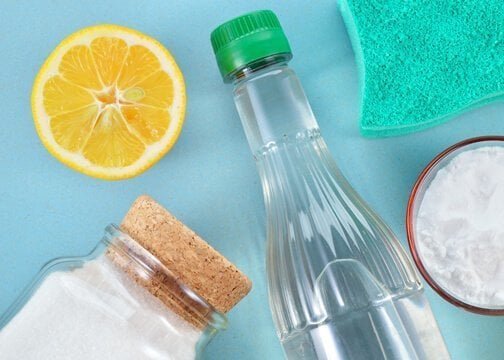
Recipe: 1 cup white vinegar, 1 cup water and 2 or 3 drops of dish soap in a spray bottle.
Use on: laminate counters, sinks, stovetops, appliances exteriors and sealed tile. Don’t use on: marble, granite, natural stone, unsealed grout or hardwood. For stone counters, use a few drops of dish soap in warm water instead.
2. Homemade carpet spot cleaner

Recipe: 1 teaspoon clear dish soap in 1 cup warm water.
How to use: blot up as much of the spill as possible, dab the solution on with a white cloth, blot until the stain lifts, then rinse with plain water and blot dry. Always test first on a hidden area, and check the carpet maker’s guidance.
3. DIY window cleaner

Recipe: 1 part white vinegar to 1 part water, or 1 cup water, 1 cup rubbing alcohol and 1 tablespoon vinegar for faster drying.
Tip: clean on a cloudy day or in shade so the solution doesn’t dry before you wipe, and use a microfiber cloth or squeegee.
4. Homemade bathroom cleaner
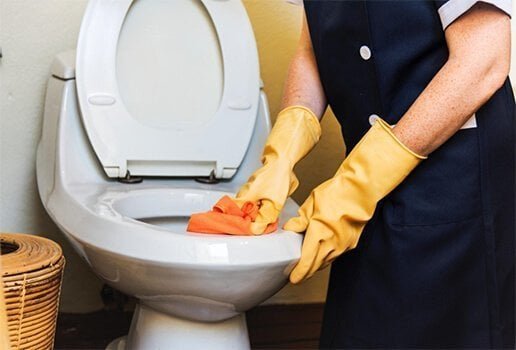
Recipe: mix 1/2 cup baking soda with enough dish soap to make a thick paste.
Use on: porcelain and acrylic tubs, sinks and ceramic tile. Scrub with a soft sponge and rinse well. For hard water spots on glass and chrome, follow with a vinegar spray (not on stone). See how to clean an old porcelain tub and removing soap scum from shower doors.
5. Homemade glass and mirror cleaner
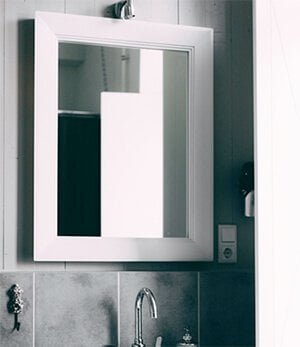
Recipe: 1 cup water, 1 cup rubbing alcohol and 1 tablespoon white vinegar.
Spray lightly on the cloth rather than the glass to avoid drips behind mirror frames, then buff dry.
6. Homemade jewelry cleaner
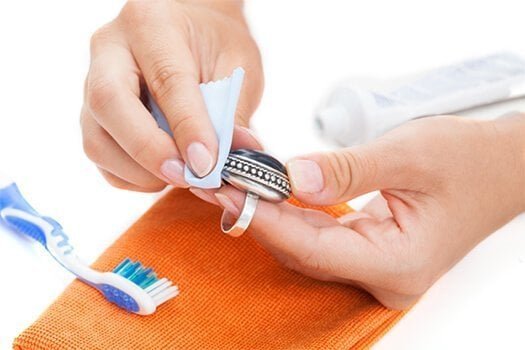
Recipe: a few drops of mild dish soap in a bowl of warm water.
Soak gold, platinum and hard gemstones such as diamonds for a few minutes, brush gently with a soft toothbrush, rinse and dry. Don’t soak pearls, opals, emeralds, turquoise or glued settings; wipe them gently with a damp cloth instead.
7. Homemade oven cleaner
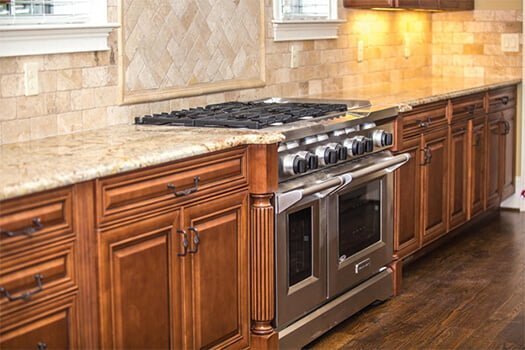
Recipe: 1/2 cup baking soda with a few tablespoons of water to make a spreadable paste.
How to use: remove racks, spread the paste over the cool oven interior (avoiding heating elements), leave it overnight, then wipe off with a damp cloth. Spray a little vinegar on any remaining residue to help lift it, and wipe clean. Check your oven’s manual, especially for self-cleaning or coated interiors.
8. Homemade upholstery cleaner
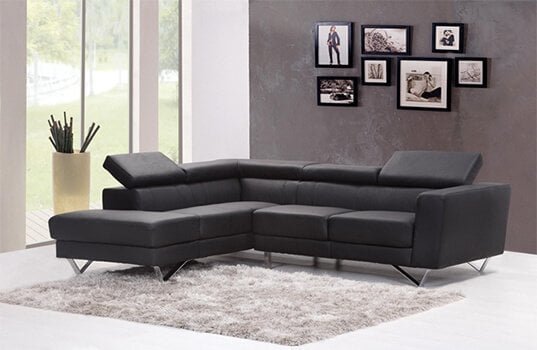
First, check the cleaning code on the furniture tag: W means water-based cleaners are OK, S means solvent only, WS means either, and X means vacuum only. For W or WS fabrics, mix 1 teaspoon dish soap in 1 cup warm water, blot the stain gently, then blot with plain water and let it air dry.
Which homemade cleaner for which surface?
| Surface | Safe homemade option | Avoid |
|---|---|---|
| Laminate, sealed tile, sinks | Vinegar all-purpose spray | Abrasive powders on glossy finishes |
| Marble, granite, natural stone | Dish soap in warm water | Vinegar, lemon, acids |
| Glass and mirrors | Alcohol and vinegar glass cleaner | Paper towels that lint |
| Porcelain tubs and sinks | Baking soda paste | Steel wool |
| Hardwood floors | A cleaner made for your finish | Vinegar, excess water, steam |
| Stainless steel | Dish soap and water, then dry | Abrasives, bleach |
For hardwood, see how to clean your hardwood floors; for kitchen faucets, see how to clean kitchen faucet finishes.
Supplies for making homemade cleaners
1. Amber Glass Spray Bottles, 16 oz, 2 Pack
Refillable amber glass spray bottles for mixing and storing homemade cleaners.
- Capacity16 oz each
- Pack2
- MaterialAmber glass
- SprayerAdjustable trigger
- UseHomemade cleaners
- BrandSally’s Organics
Pros
- Reusable and durable
- Glass resists vinegar and alcohol
- Looks nice on the counter
Cons
- Glass can break if dropped
- Label each bottle
Who it’s best for
Anyone mixing vinegar, alcohol or soap-based homemade cleaners at home.
Good to know before you buy
Glass is heavy and can break; keep bottles away from the edge of the counter and label each one.
2. Amazon Basics Microfiber Cleaning Cloths
Absorbent, lint-free microfiber cloths for streak-free cleaning.
- MaterialMicrofiber
- FinishLint and streak free
- UseGlass, counters, appliances
- WashableYes
- BrandAmazon Basics
- BenefitReduces paper towel use
Pros
- Streak-free on glass
- Very absorbent
- Reusable
Cons
- Wash without fabric softener
- Separate from lint-shedding laundry
Who it’s best for
Streak-free glass, mirrors and stainless steel without paper towels.
Good to know before you buy
Wash them without fabric softener, which clogs the fibers and reduces absorbency.
3. ARM & HAMMER Baking Soda, 7 lb
Pure sodium bicarbonate for scrubbing, deodorizing and DIY cleaners.
- Size7 lb
- Ingredient100% sodium bicarbonate
- UseScrubbing, deodorizing, oven paste
- FormPowder
- BrandARM & HAMMER
- ValueBulk size
Pros
- Gentle scrubbing power
- Very versatile
- Inexpensive
Cons
- Rinse thoroughly to avoid residue
- Can be mildly abrasive on delicate finishes
Who it’s best for
Scrubbing tubs, sinks and ovens and deodorizing drains and trash cans.
Good to know before you buy
Rinse thoroughly after use to avoid a powdery residue.
4. Iberia Distilled White Vinegar, 1 Gallon
Distilled white vinegar for DIY all-purpose, glass and descaling cleaners.
- Size1 gallon
- Acidity5%
- UseCleaning, descaling
- TypeDistilled white
- BrandIberia
- Not forNatural stone, some wood finishes
Pros
- Cuts grease and hard water
- Inexpensive
- Multipurpose
Cons
- Strong smell
- Never mix with bleach
Who it’s best for
Mixing all-purpose and glass cleaners and descaling faucets and kettles.
Good to know before you buy
Keep it off natural stone and some wood finishes, and never mix it with bleach.
Homemade cleaners FAQs
Do homemade cleaners really work?
Yes, for most everyday cleaning. Vinegar cuts grease and mineral deposits, baking soda scrubs and deodorizes, and dish soap lifts dirt. They don’t replace disinfectants for germs.
Do homemade cleaners disinfect?
Most don’t meet disinfectant standards. For disinfecting, use an EPA-registered disinfectant according to the label.
What should you never mix when making homemade cleaners?
Never mix bleach with vinegar or ammonia, and don’t combine hydrogen peroxide and vinegar in one container.
Can I use vinegar on granite or marble?
No. Acids can etch natural stone. Use dish soap in warm water or a stone-safe cleaner.
How long do homemade cleaners last?
Simple vinegar or alcohol solutions keep for weeks to months. Mix small batches and label them with the date.
Is baking soda safe on all surfaces?
It’s gentle but mildly abrasive. Test on delicate or glossy finishes first.
Final thoughts
Homemade cleaners that actually work are simple: vinegar, baking soda, dish soap and rubbing alcohol cover most jobs around the kitchen and bathroom. Use the right recipe for each surface, never mix incompatible chemicals, keep vinegar off stone and wood and label every bottle. You’ll save money, cut clutter and keep your home sparkling.